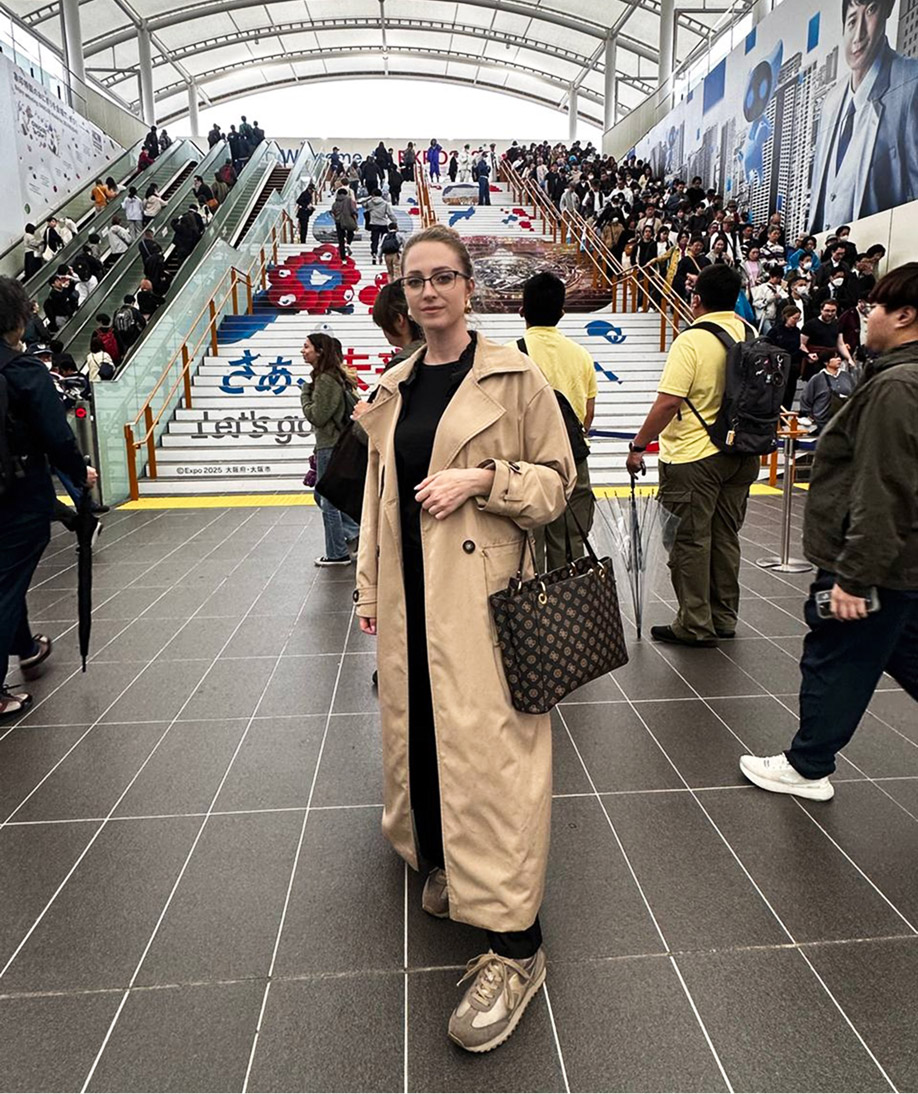
In the spring of 2025, Irina Krutenko, head of the Shuriken language school, attended the opening of the world-famous EXPO exhibition, which took place in Osaka.

What is EXPO and why is everyone talking about it? In a nutshell, it is a global international exhibition held once every five years and lasting approximately six months. More than 100 countries from around the world present their achievements in science, technology, culture, design, and other fields. All this is aimed at developing the technologies of the future and promoting cultural and innovative exchange. The most interesting thing is that each country or region builds its own national pavilion. Previous EXPO events were held in cities such as Milan, Dubai, Shanghai, and others. Incidentally, the first EXPO in Asia was held in 1970 in Osaka. And this time, it is Japan again.
Among the amazing number of creative buildings and exhibitions, there was one that deserves a few special words. It is Dialogue Theater –sign of life by one of the most famous figures in Japanese cinema, Naomi Kawase.
Dialogue Theater –いのちのあかし–/Dialogue Theater –sign of life–
This pavilion was constructed in two abandoned buildings of old schools in the cities of Nara and Kyoto. It is designed as part school, part theater, and from a certain angle, it is a real-time movie. This installation is a call to reflect on the coexistence of all people in the world who can overcome misunderstandings despite differences in age, race, or cultural traditions.
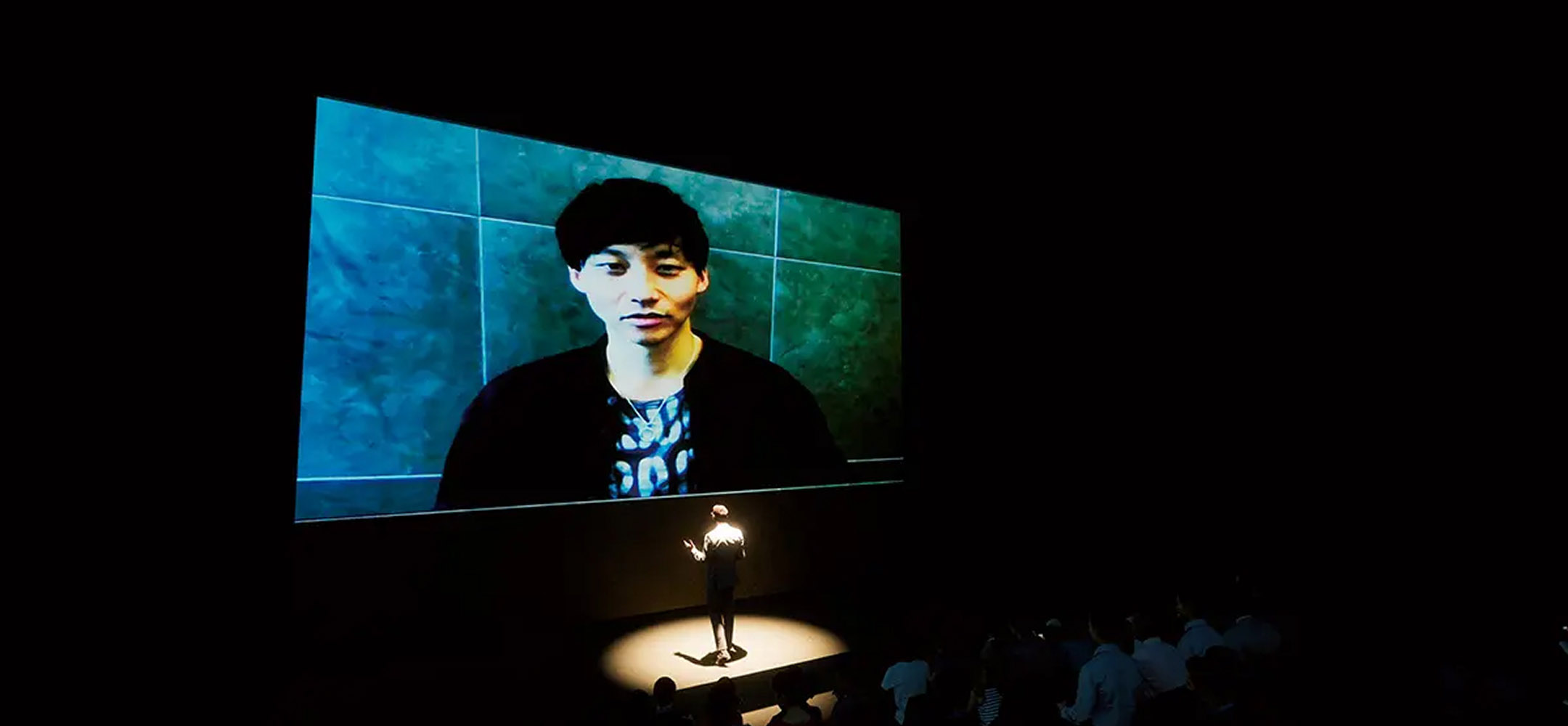
The opportunity to communicate in real time with someone they had never seen before was very poetic and interesting for visitors. One of the visitors stood on a pedestal in front of the camera, while his interlocutor appeared on the screen… All other guests could watch this action as if it were a real movie being created before their eyes.
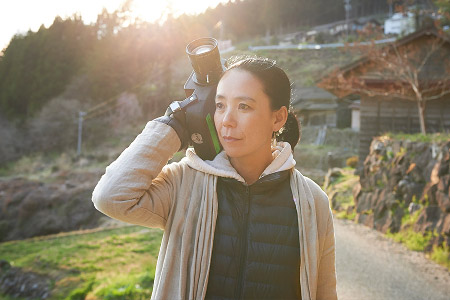
Yes, an unconventional approach to combining the verbal and the nonverbal has long been a hallmark of Kawase’s creative style. The story of the now world-famous director began in 1989, when she graduated from the College of Visual Arts (Ōsaka Shashin Senmon Gakkō) and then worked there as a teacher for four years. After shooting short documentaries, she finally created her debut feature film, Sudzaku, which won the Golden Camera at Cannes in 1997. Incidentally, she became the first female director from Japan to receive this award. Documentary films are her calling card, as most of her films in this genre have brought the director worldwide fame. Among them are Embracing (1992), The Weald (2003), “Birth/Mother” (2006), and others.
As for Naomi Kawase’s feature films, they are realistic, full of depth, but at the same time devoid of exaggerated drama. Shara (2023) is a story of growing up and forgiveness, Hanezu (2011) is about a love triangle and jealousy, Still the Water (2014) is about sexuality and sensuality, and Asa ga kuru (2020) is about the choice of motherhood and shame.
In short, everything that is familiar and understandable to each of us.
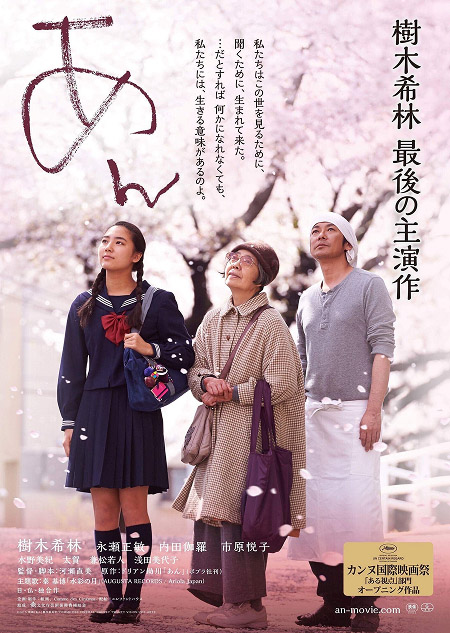
For more than 15 years, Ms. Kawase’s films have regularly appeared at the Cannes Film Festival, and in 2016 she was invited to be the jury president. Naomi imbues her characters with personal memories and experiences from the past, and uses real footage from her own life in her films. In addition to the main characters, Naomi’s films always have another silent protagonist. In The Mourning Forest (2007), it is a dense forest, and in An (2015), it is azuki beans, etc. All of her work helps us feel the passage of time, the interaction between people and nature, life and death, and the power of words.
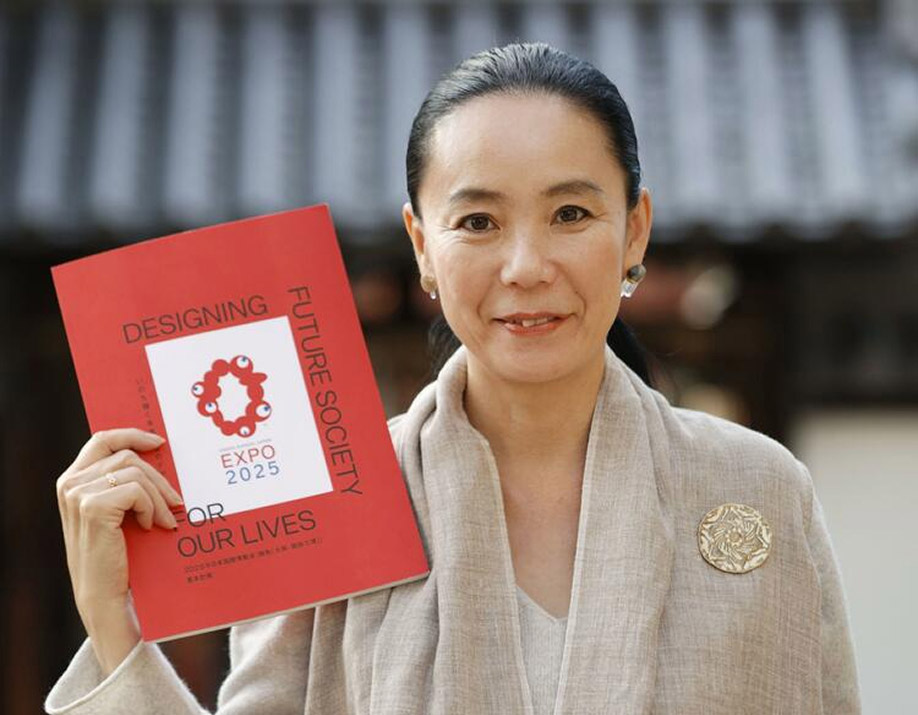
In one of her recent interviews, Naomi herself talks about “Kotodama” — a purely Japanese term that means words have their own soul. Therefore, they do not simply describe reality, but shape it.
Communication is one of the tools for building mutual understanding. That is why the name of the pavilion at EXPO 2025 includes the word “dialogue” — because well-constructed communication helps everyone build healthy relationships with those around them, with the world, and with themselves.